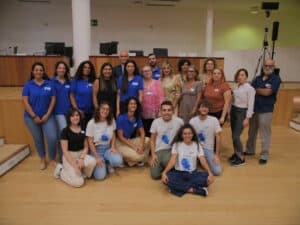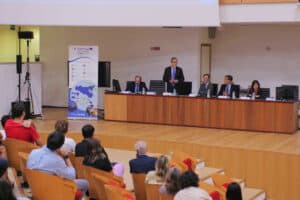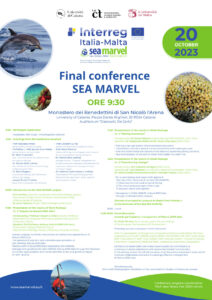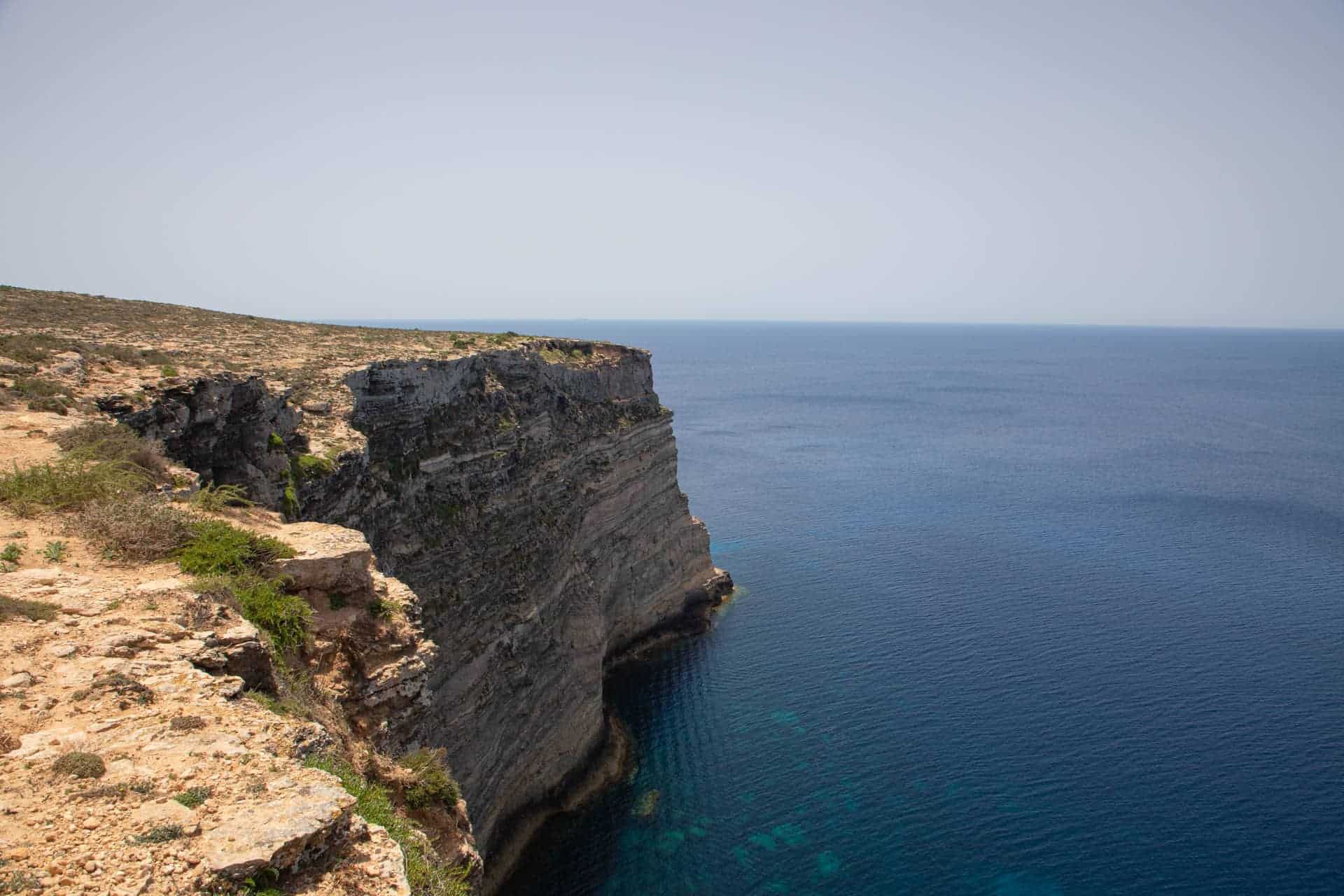
From 18 to 22 June 2023, on the island of Lampedusa, the University of Catania carried out a series of activities related to the Sea Marvel project, actively involving fishers and other local sea stakeholders. In particular, a workshop was organized at the MPA “Pelagie Islands”, offering fishers the opportunity to gain an overview of the current results of the project, with a particular focus on the action of “Sea Sentinels” fishers.
During the meeting, the regulation of bluefin tuna, swordfish and albacore fishing was addressed, with a focus on fishing periods and related restrictions. Currently, the legislation provides for specific time intervals in which fishing for these species is prohibited or subject to regulation, through seasonal limitations and constraints on the use of specific equipment, as well as through the establishment of Total Allowable Catches (TACs), i.e. maximum authorised quotas for fishing.In this regard, fishers have expressed concern about the non-coincidence of certain closed seasons with the spawning seasons of several target species, suggesting the need to review some of the imposed closed seasons, for example in the particular case of joint swordfish and albacore fisheries.
In addition, researchers continued with further meetings with some of the MPA’s stakeholders and those more or less involved in SEA MARVEL activities, conducting in-depth interviews with the MPA’s managing body, representatives of diving, environmental associations, fishers’ organizations, and different entrepreneurs located on the island.
There was no lack of the usual data collection activities at sea on fishing boats. The SEA MARVEL team would particularly like to thank the crew of the vessel named “Leonarda,” thanks to which monitoring of marine megafauna including a pod of bottlenose dolphins, marine litter (floating garbage), fishing activities and catches, and maritime traffic was accomplished.
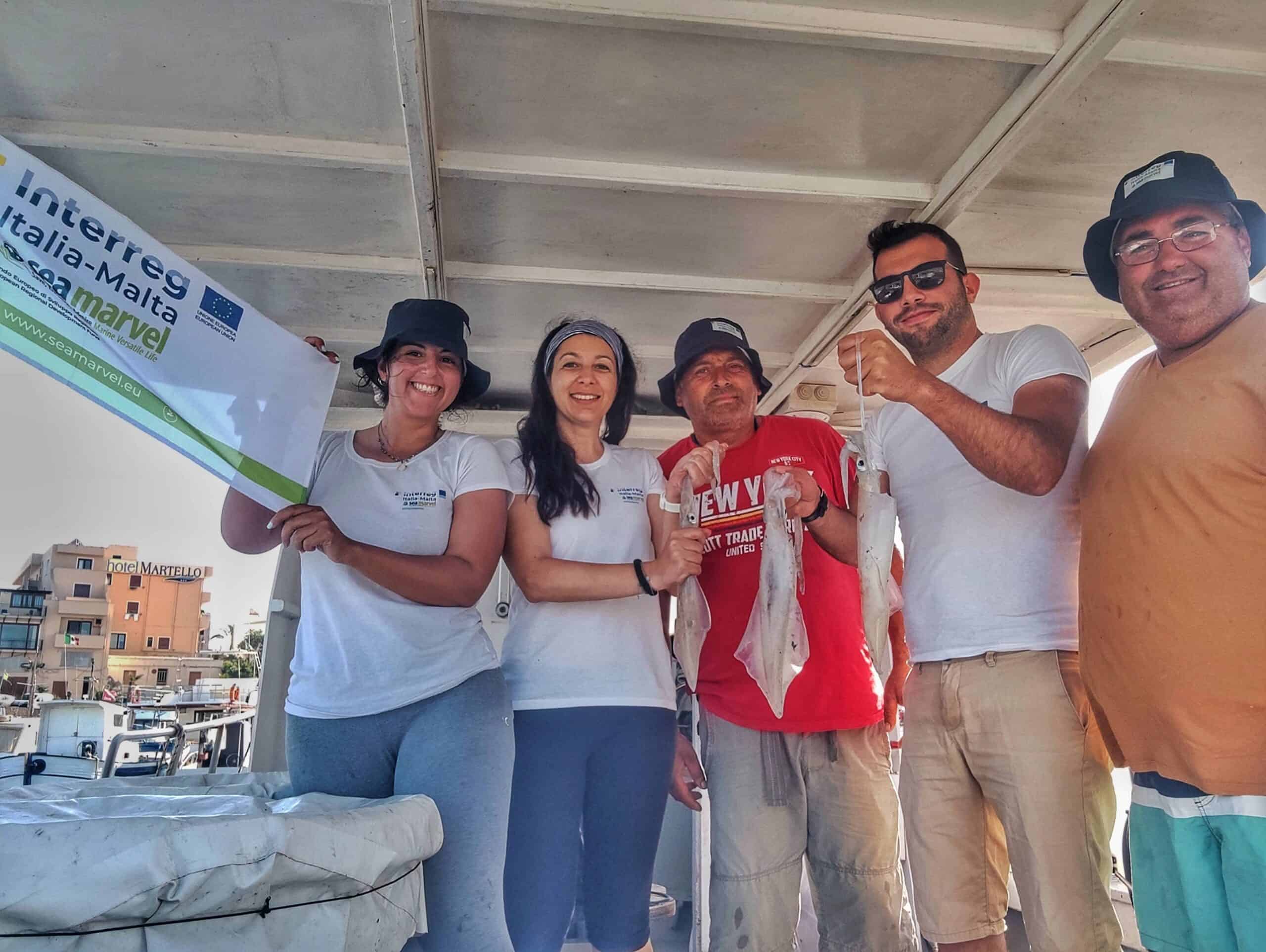
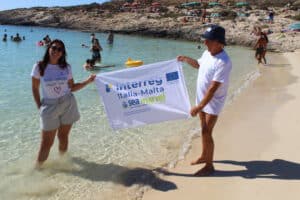
Sea Marvel research team together with two fishers from the “Sea Sentinels” group at the end of monitoring activity on fishing vessel
Among shore-based activities, researchers continued to collect data on landings from purse seine, trawl, and artisanal fishing. Among the notable species caught by the “longline” fishing system, catches of albacore tuna, swordfish, imperial garfish, and dolphinfish were recorded. To complete the activities related to the catch data, samples of rare and alien species were delivered to the University of Catania researchers directly by the Sea Sentinel fishermen who had caught and reported them. Following the recording of biometrics, there was the extraction of muscle tissue for genetic analysis. This type of analysis is important for several aspects: to understand the impact on the ecosystem by studying their origin, to assess the risks to local biodiversity, to identify with certainty the species under investigation, and thus to provide possible management and control strategies to preserve habitats.
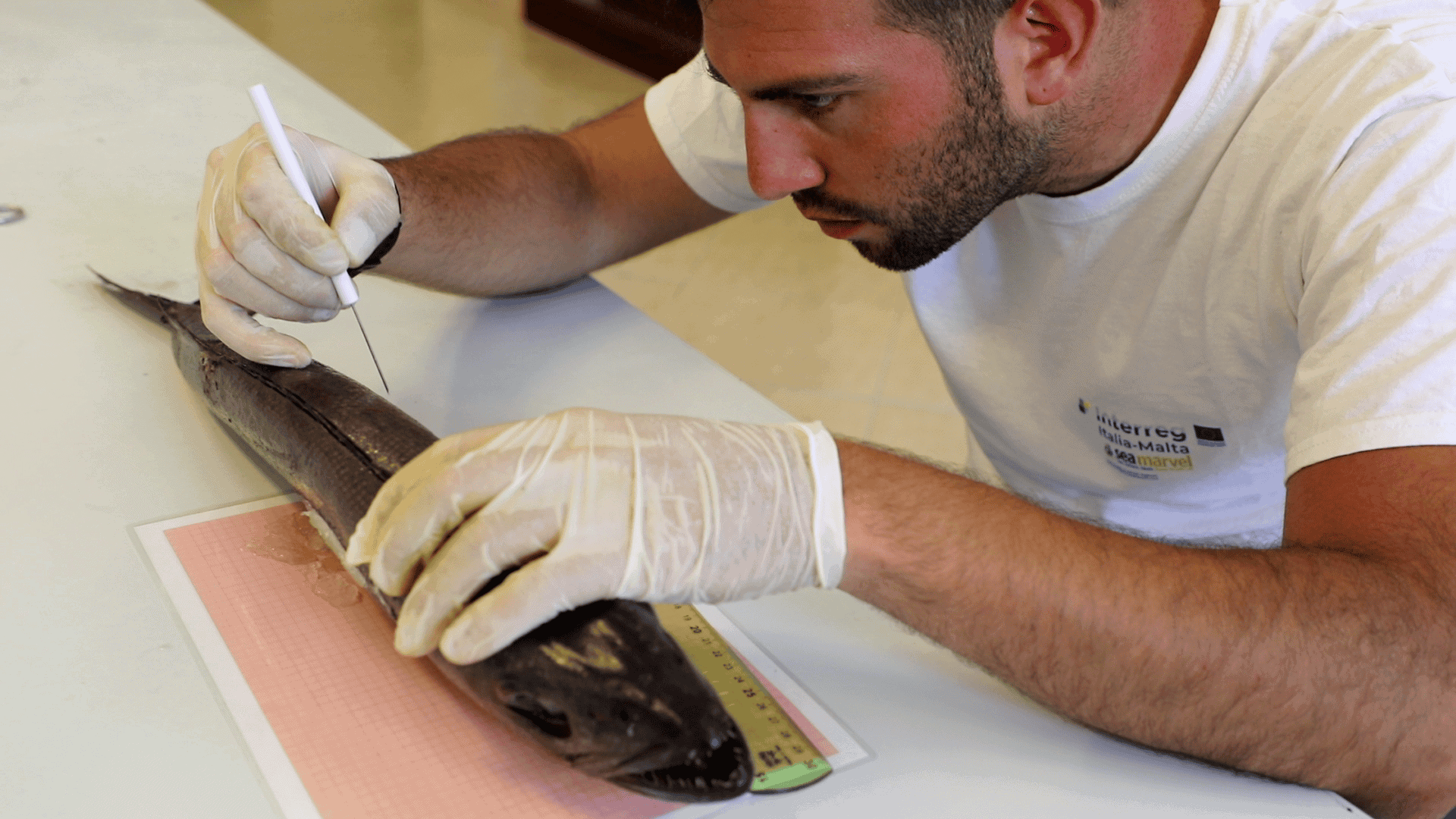
Morphometric analysis performed by Dr. Enrico Giarrusso on a specimen of Ruvettus pretiosus captured in Lampedusa waters
Throughout the mission, video clips were taken, using special cameras and an aerial drone, in order to document both the activities at sea and the island’s characteristic environments. These video-photographic materials will play an important role in disseminating the information gathered and the results of the project. We will inform you as soon as they are published!
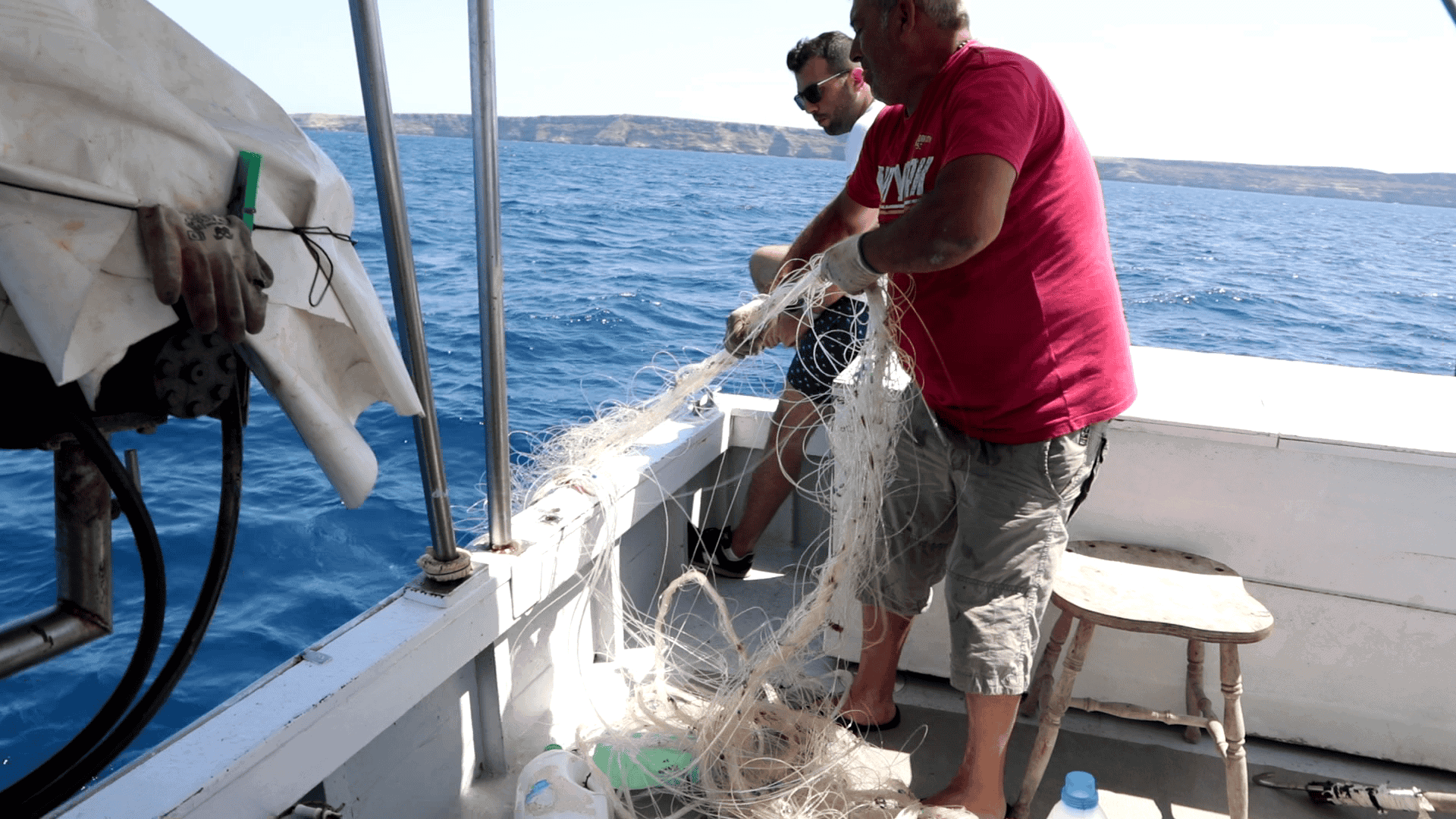
Collection of an abandoned bottom longline, thanks to the intervention of fishers from the fishing vessel M/P Leonarda